Style Guide · 5 October 2026 · 3 min read
Abaya, Jilbab, or Khimar: What’s the Difference
These three terms come up together often enough in modest fashion search results that it is easy to assume they mean the same thing. They do not — each describes a different kind of garment, though all three serve the shared purpose of loose, modest outerwear.
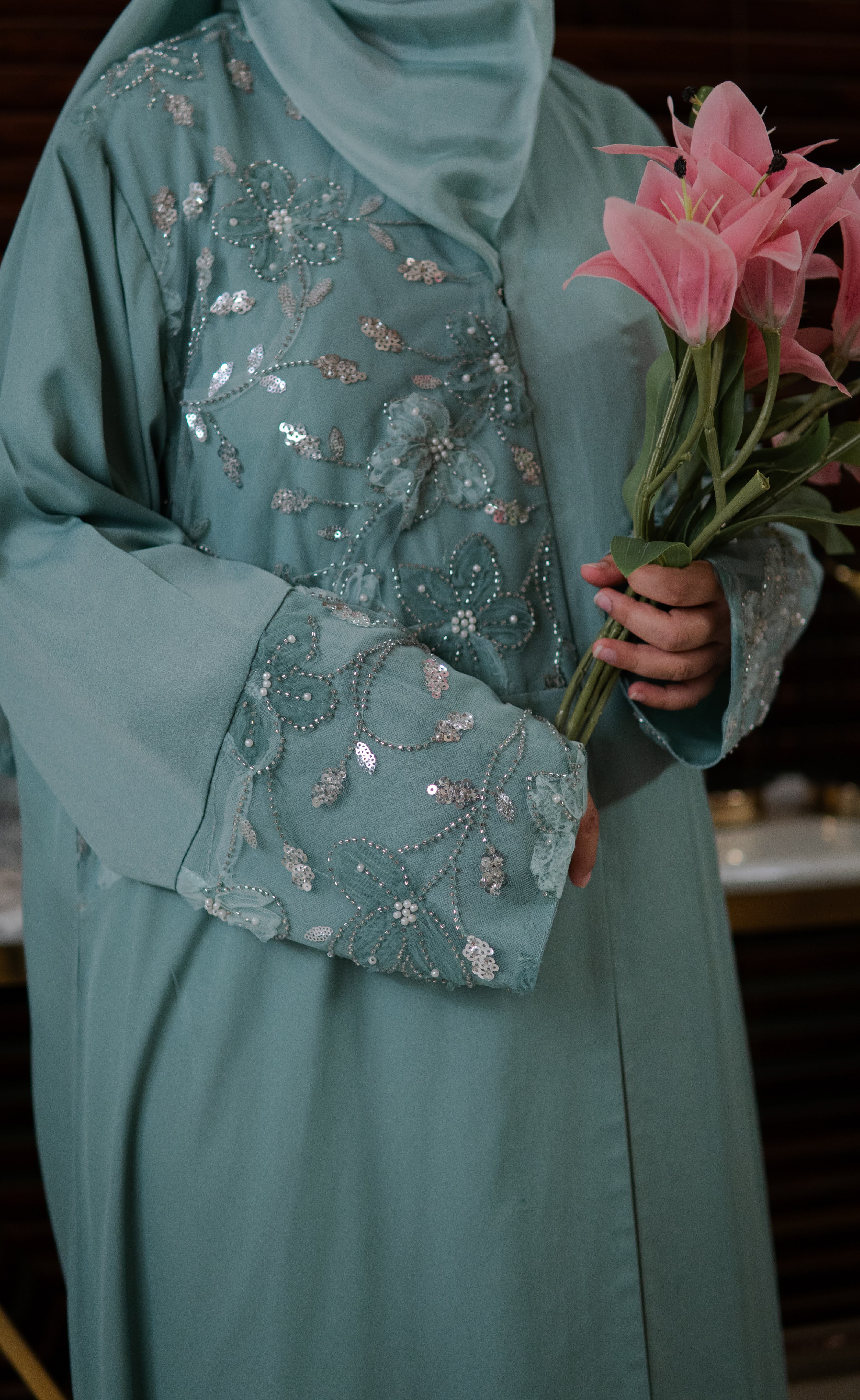
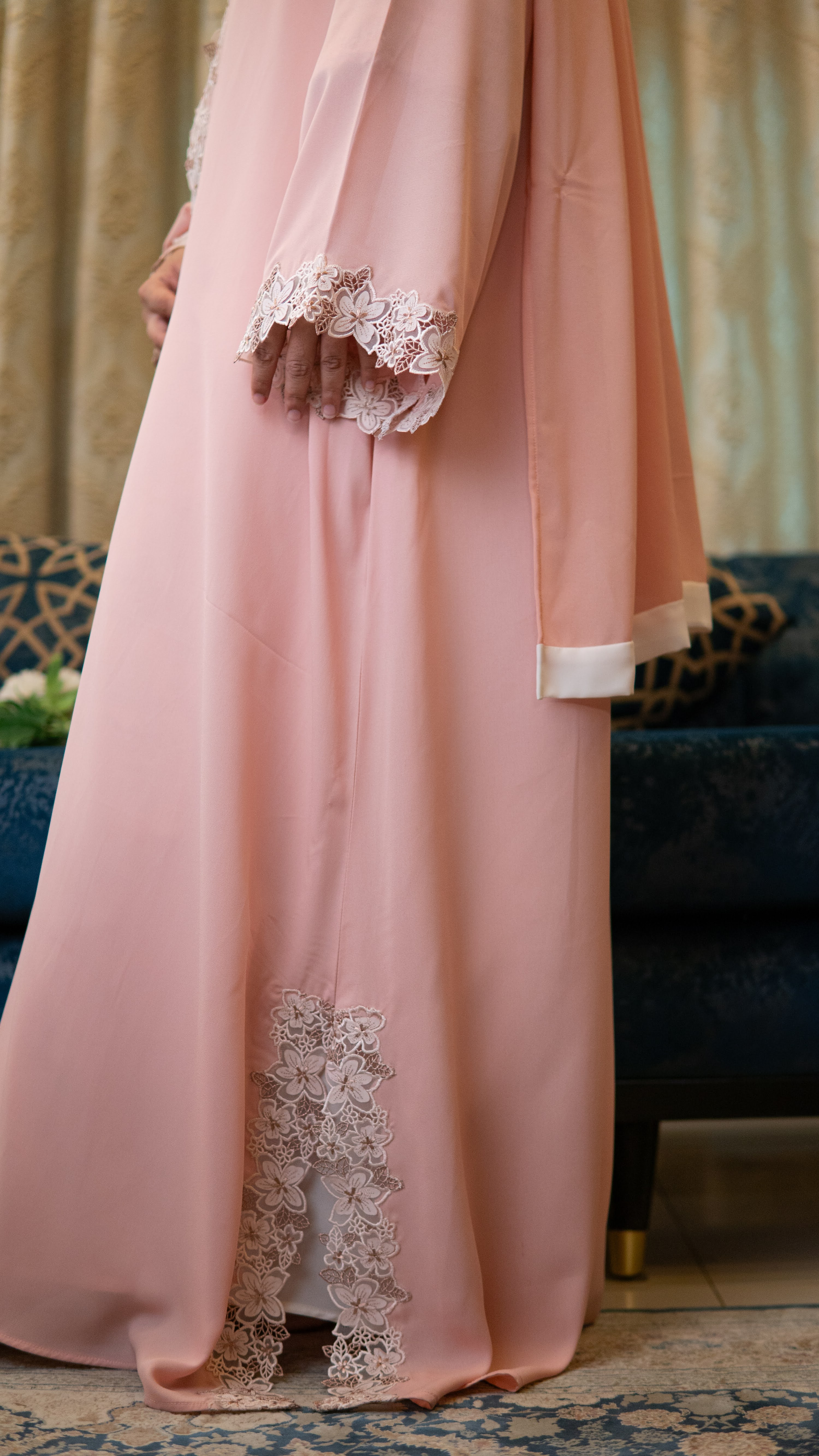
An abaya is a loose, typically full-length outer garment, worn over regular clothes, that opens or closes at the front — the style most commonly worn day to day across the Gulf, Pakistan, and much of the Muslim world. It covers the body but is worn separately from a headscarf.
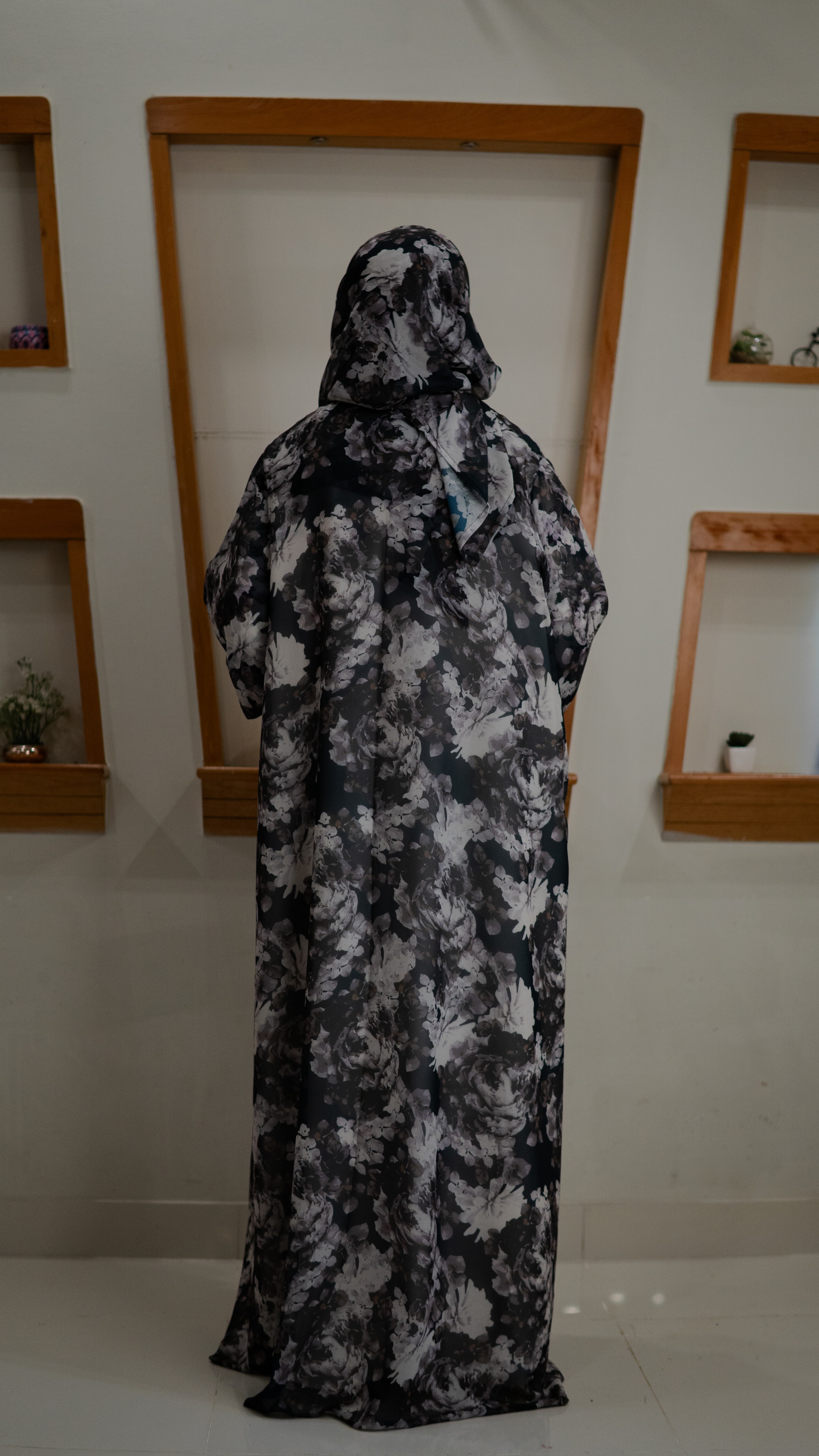
A jilbab, in most everyday usage, refers to a looser, often less structured outer garment than a tailored abaya, sometimes worn as a single overhead piece rather than fastening down the front. Regional usage varies — the same word can describe slightly different cuts depending on where you are.
A khimar is different from both: it is a cape-like head and shoulder covering, typically extending well past the shoulders, worn in place of (or over) a separate hijab rather than as a full-body outer garment. It covers the head, neck, and shoulders, but not the rest of the body the way an abaya does.
For now, our own line is focused entirely on abayas — we do not currently carry jilbabs or khimars, so this is written as a general reference rather than a product guide. If that changes, it will show up properly in our collections rather than here.